

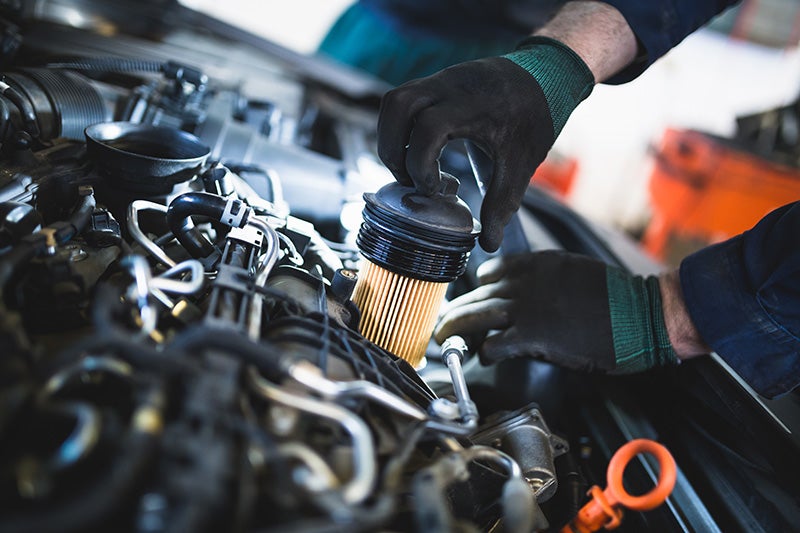
Knowing when it is time for an oil change helps keep your vehicle engine running smoothly and protects against internal wear. Most modern vehicles require fresh engine oil every 5,000 to 7,500 miles, depending on driving habits and oil type. Paying attention to manufacturer guidelines and key warning signs ensures your car receives proper maintenance before minor issues turn into major repairs. Recommended Oil Change Intervals The exact timeline for service depends heavily on the type of motor oil your engine uses. Conventional oil generally requires replacement every 3,000 to 5,000 miles to remain effective. Synthetic oil offers superior protection and typically lasts between 7,500 and 10,000 miles before needing to be replaced. Your local driving environment also impacts how quickly motor oil breaks down over time. Frequent short trips, heavy stop-and-go traffic, towing, or driving in extreme summer and winter temperatures place extra strain on your engine. Under these conditions, changing your oil more frequently helps maintain consistent engine efficiency. 3,000–5,000 mi. Conventional Oil 7,500–10,000 mi. Synthetic Oil Key Signs Your Vehicle Needs Fresh Engine Oil While tracking mileage is the easiest way to schedule service, your vehicle often shows physical signs when oil deteriorates. Checking your dipstick regularly allows you to monitor both oil level and color. Fresh oil has an amber tint, while old oil becomes dark brown or black from trapped grime and thermal breakdown. An illuminated dashboard oil light or check engine light is a direct warning that your engine requires immediate attention. You may also notice unusual engine noise or knocking sounds while idling as old oil loses its ability to lubricate internal components. A noticeable burning oil smell inside the cabin indicates a potential leak that should be inspected by a professional right away. Why Timely Oil Changes Matter Engine oil lubricates internal moving parts, reducing heat and preventing metal components from grinding together. Over time, heat and road contaminants cause oil to break down into thick sludge that coats engine parts. Fresh oil sweeps away harmful debris and keeps the engine clean during daily operation. Skipping routine oil service forces your engine to work much harder, which gradually decreases fuel efficiency. Staying consistent with your maintenance schedule helps extend the lifespan of your vehicle and preserves its long-term resale value. Frequently Asked Questions How often should I get an oil change? Most modern vehicles using synthetic oil require service every 7,500 to 10,000 miles or once per year. Vehicles using conventional oil or operating under severe driving conditions should be serviced every 3,000 to 5,000 miles. Always consult your owner manual for recommended manufacturer intervals. What happens if I delay my oil change? Delaying an oil change causes oil to break down and build up as thick sludge inside your engine. This sludge reduces friction protection, causes components to overheat, and leads to costly engine damage. Regular oil changes prevent premature wear and keep your engine running properly. How do I check if my oil needs to be changed? You can check your oil by removing the dipstick, wiping it clean, reinserting it, and pulling it back out. Inspect the oil color and level on the stick. Fresh oil is clear and amber, while dark, gritty oil or a low oil level indicates it is time for fresh oil. Schedule Your Service in Lawrence, KS Staying on top of routine engine care gives you peace of mind on every drive. The certified service team at Cable Dahmer Kia of Lawrence is equipped to handle all your routine maintenance needs with genuine factory parts and expert care. Schedule your oil change online today with Cable Dahmer Kia of Lawrence. Schedule Service
Understand Your Kia Digital Key 2.0
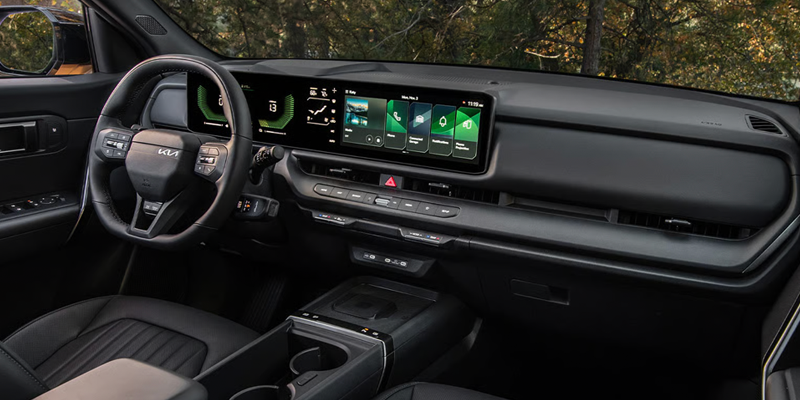
Imagine walking up to your Kia, hearing the doors unlock, and driving away without ever reaching for a key fob. That is the convenience of Kia Digital Key 2.0, a feature that turns your compatible smartphone or smartwatch into your vehicle key. Here is what it does, which models and phones support it, and how to get it set up. What Is Kia Digital Key 2.0? Kia Digital Key 2.0 stores a secure digital version of your vehicle key in your phone’s wallet app. Once paired, you can lock, unlock, and start your Kia with your phone, and share access with family or friends without handing over a physical key. Kia offers two versions, Digital Key 2 and Digital Key 2 Touch, and the one your vehicle uses depends on the model, year, and trim. Digital Key 2 vs. Digital Key 2 Touch Both versions replace your key fob for everyday driving, but Digital Key 2 adds hands-free convenience through ultra-wideband (UWB) technology. Feature Digital Key 2 Digital Key 2 Touch Technology NFC, Bluetooth, and UWB NFC Unlocking Unlocks automatically as you approach Hold the phone near the driver’s door handle Starting Start without taking your phone out of your pocket Place the phone on the wireless charging pad, press the brake, and push start Digital wallets Apple Wallet, Samsung Wallet, Google Wallet Apple Wallet, Samsung Wallet Key sharing Share with full or limited access Share with up to three people Which Kia Models Offer Digital Key? Digital Key is available on select trims of many current Kia models. Availability can vary by trim, so check the specific vehicle you are interested in. Version Eligible Models Digital Key 2 2024+ EV9, 2024+ Sorento, 2025+ Carnival HEV, 2025+ EV6, 2025+ K4, 2025+ K5, 2025+ Sorento HEV and PHEV, 2026+ Sportage HEV and PHEV, 2027+ Telluride and Telluride HEV Digital Key 2 Touch 2023 to 2026 Niro, Niro EV, and Niro PHEV, 2024 to 2026 Seltos, 2023 to 2025 Telluride How to Set Up Your Kia Digital Key Setup takes just a few minutes. You will need an eligible Kia Connect subscription, the Kia Access app, and an active data plan for the initial pairing. Sit in your vehicle with your phone and at least one key fob, and turn the vehicle on. Open the Kia Access app, go to the Digital Key section, and follow the prompts to add the key to your phone’s wallet. On the infotainment screen, go to Setup, then Vehicle, then Digital Key, then Smartphone Key, and save your key. Place your phone on the wireless charging pad to complete pairing. Optionally, link your key to the Driver 1 profile so your seat and settings are ready when you get in. Sharing Your Digital Key Sharing is one of the most useful parts of Digital Key 2.0. You can send a key from your wallet app to a family member, friend, or anyone who needs temporary access, and you control what they can do. Full access: Lock, unlock, and drive the vehicle. Limited access: Lock and unlock only, which is helpful for dropping off a package or grabbing something from the car. Easy to revoke: Remove access anytime from the Shared Users list in your wallet app, and the other person is notified. Kia notes that keys can currently be shared only between the same device type, such as iPhone to iPhone or Samsung to Samsung. Helpful Tips for Everyday Use Low phone battery: Digital Key 2 Touch continues to work for a limited time after your phone loses power. Passive entry paused: Hands-free entry may pause to protect a low 12V battery. Press the door handle button or use touch mode instead. New phone: Delete your original key in the infotainment system, then pair your new phone through the Kia Access app. Lost or stolen phone: Lock your device with Find My (iPhone) or Find My Mobile (Samsung), which deletes the key. You can also remove it through the infotainment system, the Kia Access app, or the Owner’s Portal. Selling your vehicle: Delete your Digital Key profile first so all keys are removed. Experience The Kia Digital Key at Cable Dahmer Kia of Lawrence Seeing Digital Key 2.0 in action is the best way to understand how much easier it makes daily driving. Our team at Cable Dahmer Kia of Lawrence can show you how it works on models like the EV9, Sorento, and K4 and answer your questions along the way. Explore our new Kia inventory and schedule a test drive today. Shop Kia
 Warranties include 10-year/100,000-mile powertrain and 5-year/60,000-mile basic. All warranties and roadside assistance are limited. See retailer for warranty details.